
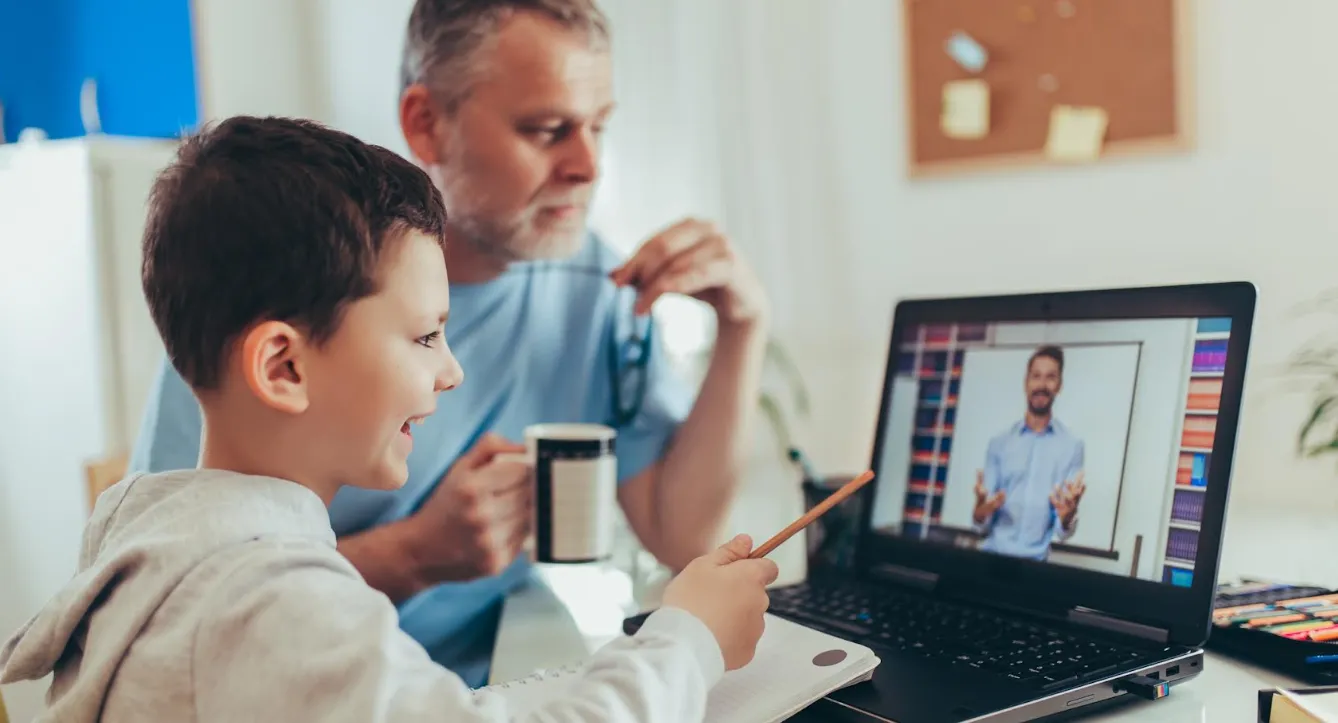
Parenting is a journey filled with rewarding experiences, important decisions, and everyday challenges. As children grow, their needs, personalities, and emotions change, requiring parents to develop new ways of providing guidance and support. Learning effective parenting techniques can help families build stronger relationships, communicate more openly, and create a supportive home environment. Online classes and courses offer convenient opportunities for parents to develop these skills from home.
With flexible schedules, educational videos, expert guidance, and practical learning activities, online parenting education makes it easier for parents to explore helpful strategies and understand different approaches to raising children.
Online parenting skills classes online help parents develop practical techniques for communication, child development, positive discipline, and family relationships. Through flexible lessons, expert guidance, and real-life examples, parents can learn to handle everyday challenges, encourage healthy behaviors, strengthen family connections, and build confidence in their parenting approach while learning conveniently from home.
Why Parenting Education Matters
Parenting involves much more than providing basic care. It includes understanding children’s emotions, encouraging positive behavior, establishing boundaries, communicating effectively, and supporting their development. Parents often learn through experience, but structured educational resources can provide additional knowledge and useful perspectives.
Parenting classes introduce techniques that can help families navigate common situations. They may explain how to respond to disagreements, encourage cooperation, manage routines, and support children as they develop independence.
Parenting education also encourages self-reflection. Parents can examine their communication habits, recognize areas where they want to improve, and explore new approaches to everyday family challenges. Learning does not mean becoming a perfect parent. It means developing a willingness to understand, adapt, and grow.
Benefits of Online Parenting Classes and Courses
Online parenting courses offer flexibility that traditional classes may not provide. Parents can access recorded lessons at convenient times, pause videos, revisit important topics, and learn according to their schedules.
This accessibility is particularly useful for families managing work, school schedules, household responsibilities, and other commitments. Parents do not need to travel to attend lessons, making educational opportunities easier to incorporate into their daily routines.
Online courses also offer a wide selection of subjects. Parents can choose lessons on child development, positive parenting, communication, emotional well-being, family relationships, and behavior management. This allows them to focus on topics that are most relevant to their current parenting experiences.
Some courses provide live sessions with instructors, while others include discussion groups, worksheets, quizzes, and interactive exercises. These learning formats can help parents understand concepts and apply them in practical situations.
Understanding Children’s Development
Children develop physical, emotional, social, and cognitive abilities at different stages of life. Their communication skills, decision-making abilities, emotional responses, and understanding of responsibilities gradually change as they grow.
Online parenting classes can help parents understand these developmental stages and establish realistic expectations. For example, younger children may need more help understanding instructions and expressing emotions, while older children may want greater independence and opportunities to participate in decisions.
Understanding child development can help parents respond more patiently and appropriately. It also encourages them to recognize individual differences instead of comparing children or expecting every child to develop skills at the same pace.
Building Effective Communication Skills
Healthy communication is essential for maintaining strong family relationships. Children benefit from knowing that their thoughts, feelings, and concerns are taken seriously.
Parenting courses often teach active listening, respectful language, and ways to encourage open conversations. Parents can learn to ask questions that invite discussion, avoid interrupting, and give children time to explain their experiences.
Communication also involves expressing expectations clearly. When parents explain household rules, responsibilities, and boundaries in a calm and understandable way, children may find it easier to recognize what is expected of them.
Regular conversations can help families address misunderstandings, share experiences, and strengthen trust over time.
Practicing Positive Parenting Techniques
Positive parenting focuses on encouragement, respect, consistency, and guidance. It helps children learn appropriate behavior while developing confidence and responsibility.
Online classes may introduce strategies such as establishing routines, recognizing positive behavior, setting reasonable limits, and encouraging cooperation. Parents can learn how to respond constructively when children make mistakes or struggle with responsibilities.
Positive parenting does not mean avoiding discipline or allowing every behavior. Children need clear boundaries and guidance. The goal is to help them understand expectations, learn from their experiences, and develop skills that support responsible decision-making.
By practicing these techniques consistently, parents can create a more supportive environment for learning and development.
Managing Everyday Parenting Challenges
Every family encounters challenges involving homework, screen time, household chores, sibling disagreements, morning routines, and changes in schedules. These situations may sometimes lead to frustration or conflict.
Online parenting courses can provide practical suggestions for approaching common difficulties. Parents may learn how to establish consistent routines, explain responsibilities, encourage cooperation, and resolve disagreements respectfully.
Educational lessons can also help parents recognize when a strategy needs adjustment. Every child is different, and approaches that work in one situation may not be effective in another. Flexibility, patience, and observation are important parts of successful parenting.
Learning to respond thoughtfully instead of reacting immediately can help parents manage stressful situations more constructively.
Supporting Children’s Emotional Well-Being
Emotional well-being plays an important role in children’s development. Children need supportive relationships where they can express feelings, ask questions, and discuss difficult experiences.
Parenting classes may explain how to help children recognize emotions, communicate their needs, and develop healthy ways of responding to disappointment or frustration. Parents can learn to acknowledge feelings, offer reassurance, and encourage problem-solving.
Spending meaningful time together can also support emotional connections. Shared activities, family conversations, reading, games, and everyday experiences provide opportunities for children to feel valued and supported.
Parents who learn to recognize emotional needs may become better prepared to provide guidance during challenging situations.
Encouraging Independence and Responsibility
As children grow, they gradually develop skills that allow them to manage responsibilities and make decisions. Parents can support this development by providing opportunities for children to participate in age-appropriate tasks.
Online parenting courses may offer guidance on encouraging independence, setting expectations, and helping children understand the consequences of their choices. These lessons can explain how to support children without taking over every task or decision.
Encouraging responsibility can include organizing school materials, helping with household activities, managing personal belongings, and participating in family routines. Gradual learning and consistent guidance can help children develop practical skills and confidence.
Choosing the Right Online Parenting Course
Selecting an appropriate course is important for making the most of parenting education. Parents should look for credible educational providers, qualified instructors, clearly explained learning objectives, and practical content.
Review the course topics to determine whether they cover areas you want to improve. Some programs focus on general parenting skills, while others explore communication, developmental stages, family relationships, or specific parenting challenges.
Consider whether you prefer prerecorded videos, live classes, downloadable materials, or interactive exercises. A course that fits your learning preferences and schedule may be easier to complete consistently.
Reliable programs should provide realistic, respectful guidance rather than promising immediate solutions to every parenting problem.
Applying What You Learn at Home
The most valuable part of parenting education is applying new skills in everyday family life. Parents can begin with small changes, such as listening more carefully, establishing clearer routines, or communicating expectations more consistently.
Practicing one technique at a time allows parents to evaluate how it works and make adjustments when necessary. Learning is a gradual process, and progress may take time.
Parents should remember that mistakes are part of the learning experience. Reflecting on situations, recognizing improvements, and trying different approaches can help families develop healthier habits.
Conclusion
Learning better parenting through online classes and courses provides parents with flexible opportunities to develop practical skills, improve communication, understand child development, and manage everyday challenges. These educational resources can introduce useful techniques that support stronger family relationships and more thoughtful parenting decisions.
By choosing reliable courses, practicing what they learn, and remaining patient throughout the parenting journey, parents can create a supportive home environment where children feel respected, encouraged, and understood. Continuous learning can help families grow together and navigate the changing responsibilities of parenting with greater confidence.